• About KCC
    • Contact
    • Join Our Mailing List
  • Volunteer
  • Events
  • Blog
    • Pekapeka Adventures
    • KCC Mailbox
  • Membership Options
    • Transition to Forest & Bird Youth
    • Members-only Area
  • Activities
    • Activity ideas
    • Quizzes and Games
    • KCC Book Reviews
    • KCC Stories
    • Puzzle Answers
    • Citizen Science Projects
    • Competitions
  • Wild Things Magazine
  • Join Us!
  • Renew membership!
Kiwi Conservation ClubKiwi Conservation Club
  • About KCC
    • Contact
    • Join Our Mailing List
  • Volunteer
  • Events
  • Blog
    • Pekapeka Adventures
    • KCC Mailbox
  • Membership Options
    • Transition to Forest & Bird Youth
    • Members-only Area
  • Activities
    • Activity ideas
    • Quizzes and Games
    • KCC Book Reviews
    • KCC Stories
    • Puzzle Answers
    • Citizen Science Projects
    • Competitions
  • Wild Things Magazine
  • Join Us!
  • Renew membership!

Introducing the Owlloaf

April 16, 2020 Posted by Kiwi Conservation Club

A new discovery made by Oscar (age 12)
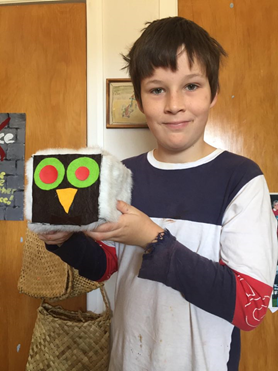
An Owlloaf is a small animal that does not classify as a bird or mammal. They are not birds as they are covered in fur and feed their young milk, and they are not mammals as they lay eggs and have wings.

They naturally live in small dark high places like underneath bridges.

Owlloaf young are small, rectangular white boxes, with a face like a ruru.

When they start to age, small tufts will form at their back corners. Owlloaves at this stage are known as fledglings and will bounce around looking for their main food source, acorns.

After a few years, the tufts will move further up their body and eventually become wings.

Owlloaf eggs are medium sized, shiny and taste like chocolate. They are often eaten by humans mistaking them for Easter eggs. This is not helped by the fact that Owlloaves lay eggs on Easter. 
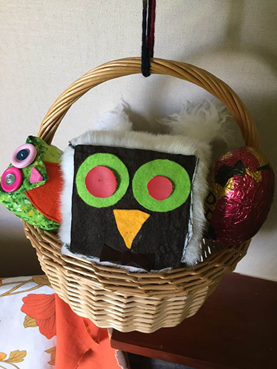
Due to this, Owlloaves are very endangered. Owlloaves have also been observed to unexplainably look after the young of other species.
Share
4

You also might be interested in

Black-backed gull banding

Black-backed gull banding

Dec 17, 2017

Families from Marlborough KCC  joined local bird expert, Mike Bell,[...]

Fairy prions moving in on Mana Island

Fairy prions moving in on Mana Island

Feb 22, 2016

KCC member Finn has a pretty amazing back yard.  Read[...]

Fungi World

Fungi World

Jul 6, 2018

By Kezia (age 5) There is fungi all over our[...]

Latest posts

  • Marvellous Monarchs, by Swara
  • Kaiapoi Brownies highlight introduced predators in Christmas Parade
  • Polly visits Elsie and Harrison in Ōtautahi for Christmas 2025
    Polly visits Elsie and Harrison in Ōtautahi for Christmas 2025

Categories

Become a KCC Reporter

We're looking for talented young writers to become KCC reporters and share their love of nature with kids across New Zealand. Think you have what it takes? Learn how to submit a story.

Search

Get in Touch

Send us an email and we'll get back to you as soon as we can!

Send Message

Search

Privacy Policy

KCO Login