
• About KCC
    • Contact
    • Join Our Mailing List
  • Volunteer
  • Events
  • Blog
    • Pekapeka Adventures
    • KCC Mailbox
  • Membership Options
    • Transition to Forest & Bird Youth
    • Members-only Area
  • Activities
    • Activity ideas
    • Quizzes and Games
    • KCC Book Reviews
    • KCC Stories
    • Puzzle Answers
    • Citizen Science Projects
    • Competitions
  • Wild Things Magazine
  • Join Us!
  • Renew membership!
Kiwi Conservation ClubKiwi Conservation Club
  • About KCC
    • Contact
    • Join Our Mailing List
  • Volunteer
  • Events
  • Blog
    • Pekapeka Adventures
    • KCC Mailbox
  • Membership Options
    • Transition to Forest & Bird Youth
    • Members-only Area
  • Activities
    • Activity ideas
    • Quizzes and Games
    • KCC Book Reviews
    • KCC Stories
    • Puzzle Answers
    • Citizen Science Projects
    • Competitions
  • Wild Things Magazine
  • Join Us!
  • Renew membership!

Information on the silvereye

August 30, 2020 Posted by Kiwi Conservation Club

By Bailey (age 12) from Howick Intermediate

This bird is an ally of fruit growers everywhere.
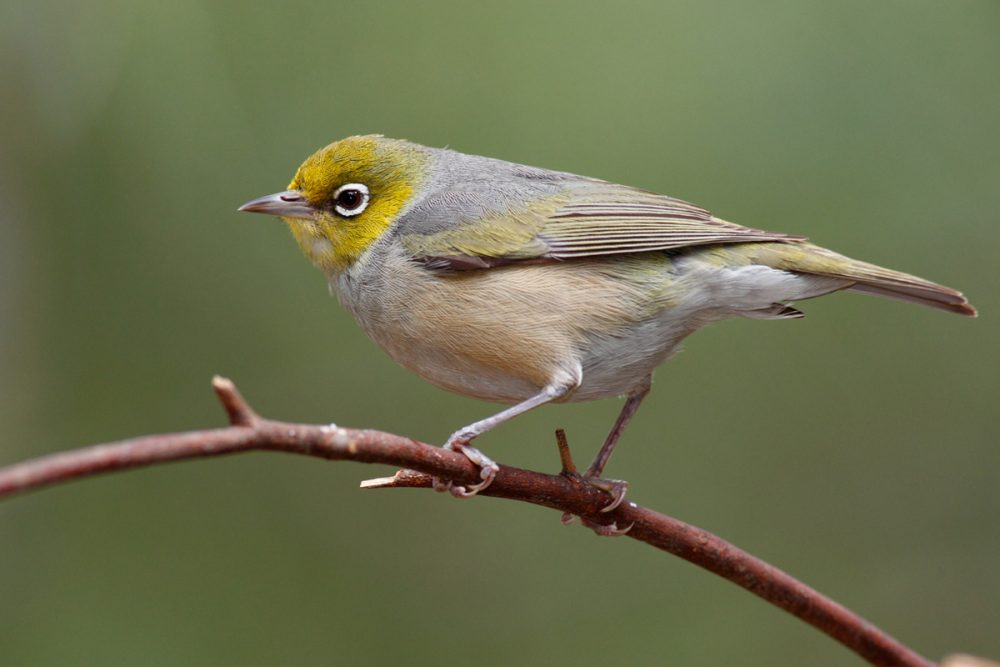
The silvereye (tauhou) is self introduced, making this delightful little bird a native to New Zealand. They are now one of New Zealand’s most abundant and widespread bird species.

They are found throughout New Zealand from sea level right up to about 1200m altitude, inhabiting urban areas, farmlands, orchards, and all indigenous and exotic forests and scrublands. They are less common in open grassland areas of Otago and there are only small numbers on all of New Zealand’s offshore islands.

The silvereye is monomorphic – adults of both sexes look identical with olive-green on the head, lower back, and upper tail and mid-grey around the neck and upper back. The underparts are whitish-cream from the throat right down to the tail, including the underside of the wings.

The most distinctive physical feature (and where its name is derived from) is the conspicuous white ring around the eye. This feature distinguishes an adult from a juvenile, which will not possess the white ring.

Share
6

You also might be interested in

Polly Pekapeka visits Frances and Jamie
Polly Pekapeka visited Frances and Jamie in Kirikiriroa. CLICK TO READ

Polly Pekapeka visits Frances and Jamie

Jul 4, 2024

Polly Pekapeka (our KCC Mascot) is looking for adventure, so[...]

Longfin eel by Alisa

Longfin eel by Alisa

Jun 7, 2023

I saw this eel in Ōtari-Wilton’s Bush. It was peacefully[...]

Freshwater for Life
Maunganuku River. Photo by Jordan Kappelly

Freshwater for Life

Apr 19, 2016

What’s happened to our freshwater? Over the last 30 years[...]

Latest posts

  • Paora visits Maia in Kirikiriroa | Hamilton
    Paora visits Maia in Kirikiriroa | Hamilton
  • Polly visits Luka
    Polly visits Luka
  • Some of the Best Parks in Tāmaki Makaurau
    Some of the Best Parks in Tāmaki Makaurau

Categories

Become a KCC Reporter

We're looking for talented young writers to become KCC reporters and share their love of nature with kids across New Zealand. Think you have what it takes? Learn how to submit a story.

Search

Get in Touch

Send us an email and we'll get back to you as soon as we can!

Send Message

Search

Privacy Policy

KCO Login